Holistic Approaches to Home Healthcare and Well-being

In today's fast-paced world, many individuals are seeking alternatives to traditional healthcare methods. The rise of holistic approaches to home healthcare and well-being is a testament to this shift. These methods focus on treating the whole person—mind, body, and spirit—rather than just addressing specific symptoms or illnesses. This blog post will explore various holistic approaches, their benefits, and practical ways to incorporate them into your home healthcare routine.
Understanding Holistic Healthcare
Holistic healthcare is a comprehensive approach that considers the entire person rather than just their physical symptoms. It emphasizes the interconnectedness of the mind, body, and spirit. Here are some key principles of holistic healthcare:
Whole-Person Focus: Holistic healthcare practitioners assess not only physical health but also emotional, social, and spiritual well-being.
Prevention and Wellness: The goal is to prevent illness and promote wellness through lifestyle changes, nutrition, and stress management.
Patient Empowerment: Patients are encouraged to take an active role in their healthcare decisions, fostering a sense of ownership over their health.
The Importance of a Holistic Approach
Adopting a holistic approach to home healthcare can lead to numerous benefits, including:
Improved Overall Health: By addressing multiple aspects of health, individuals often experience better overall well-being.
Enhanced Quality of Life: Holistic practices can lead to increased energy levels, reduced stress, and improved mental clarity.
Stronger Immune System: A balanced lifestyle can enhance the body's natural defenses against illness.
Key Holistic Practices for Home Healthcare
Incorporating holistic practices into your home healthcare routine can be simple and effective. Here are some key practices to consider:
1. Nutrition and Diet
A balanced diet is fundamental to holistic health. Focus on whole, unprocessed foods that nourish the body. Here are some tips:
Eat a Variety of Foods: Incorporate fruits, vegetables, whole grains, lean proteins, and healthy fats into your meals.
Stay Hydrated: Drink plenty of water throughout the day to support bodily functions.
Mindful Eating: Pay attention to what you eat and how it makes you feel. This practice can help you make healthier choices.
2. Physical Activity
Regular physical activity is essential for maintaining physical and mental health. Consider these options:
Yoga: This practice combines physical postures, breathing exercises, and meditation, promoting flexibility and relaxation.
Walking: A simple yet effective way to stay active. Aim for at least 30 minutes a day.
Strength Training: Incorporate resistance exercises to build muscle and improve overall strength.
3. Mindfulness and Meditation
Mindfulness practices can significantly impact mental well-being. Here’s how to get started:
Meditation: Spend a few minutes each day in quiet reflection. Focus on your breath and let go of distractions.
Gratitude Journaling: Write down things you are grateful for each day. This practice can shift your mindset and improve your mood.
Deep Breathing Exercises: Practice deep breathing to reduce stress and promote relaxation.
4. Natural Remedies
Many people turn to natural remedies for common ailments. Here are some examples:
Herbal Teas: Chamomile for relaxation, ginger for digestion, and peppermint for headaches are popular choices.
Essential Oils: Lavender for calming, eucalyptus for respiratory support, and tea tree oil for skin issues can be beneficial.
Homeopathy: This system of alternative medicine uses highly diluted substances to stimulate the body's healing processes.
5. Social Connections
Building and maintaining strong social connections is vital for emotional health. Consider these strategies:
Join Community Groups: Engage with local organizations or clubs that align with your interests.
Volunteer: Helping others can provide a sense of purpose and strengthen community ties.
Stay Connected: Regularly reach out to friends and family, whether through calls, texts, or in-person visits.
Creating a Holistic Home Environment
Your home environment plays a significant role in your overall well-being. Here are some tips for creating a holistic space:
1. Declutter and Organize
A clutter-free space can promote mental clarity and reduce stress. Consider these steps:
Regularly Declutter: Set aside time each month to go through your belongings and remove items you no longer need.
Organize Spaces: Create designated areas for different activities, such as work, relaxation, and exercise.
2. Incorporate Nature
Bringing elements of nature into your home can enhance your well-being. Here’s how:
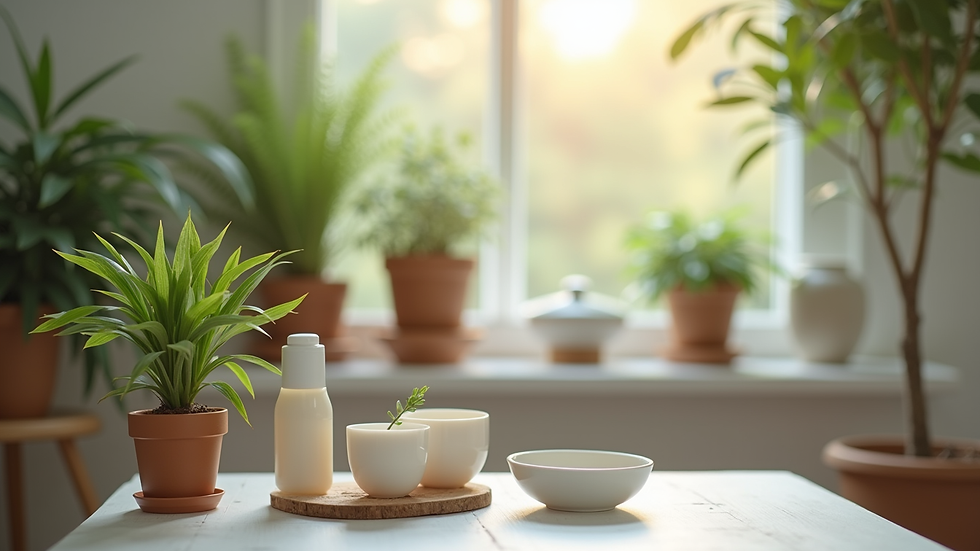
Houseplants: Adding greenery can improve air quality and create a calming atmosphere.
Natural Light: Maximize natural light by opening curtains and blinds during the day.
Nature Sounds: Consider using sound machines or apps that play nature sounds to create a peaceful ambiance.
3. Create a Relaxation Space
Designate a specific area in your home for relaxation and self-care. This space can include:
Comfortable Seating: A cozy chair or cushion where you can unwind.
Soft Lighting: Use lamps or candles to create a warm, inviting atmosphere.
Wellness Items: Include items like journals, essential oils, or calming music to enhance your relaxation experience.
The Role of Professional Support
While holistic practices can be beneficial, it’s essential to recognize when professional support is needed. Here are some options:
1. Holistic Practitioners
Consider consulting with holistic practitioners, such as:
Naturopaths: They focus on natural remedies and lifestyle changes to promote health.
Acupuncturists: This practice involves inserting thin needles into specific points on the body to relieve pain and promote healing.
Massage Therapists: Regular massage can help reduce stress, relieve tension, and improve circulation.
2. Mental Health Professionals
If you’re struggling with mental health issues, seeking support from a therapist or counselor can be invaluable. They can provide guidance and coping strategies tailored to your needs.
3. Support Groups
Joining a support group can connect you with others facing similar challenges. These groups provide a safe space to share experiences and gain insights.
Conclusion
Holistic approaches to home healthcare and well-being offer a comprehensive way to enhance your quality of life. By focusing on nutrition, physical activity, mindfulness, and social connections, you can create a balanced lifestyle that supports your overall health. Remember, it’s essential to listen to your body and seek professional support when needed. Start small, incorporate these practices into your daily routine, and watch as your well-being flourishes.
Take the first step today towards a healthier, more holistic lifestyle.


Comments